
Home | Job Postings | Grow Food
Are you thinking of getting into farming or market gardening? Finding land may not be as much of a roadblock as you may think. Don't assume that to start farming, you first need enough money to buy a farm.
Buying a farm is only one way to get started — and for many new farmers, it may not be the best one. Across Canada, there are landowners with farmland, fields, gardens and other productive land that they aren't using themselves. Some would be very happy to see their land put to good use.
Depending on what you want to grow or raise, possibilities can include:
For market gardening in particular, you may need much less land than you think. A relatively small, intensively cultivated plot can support a substantial amount of vegetable, herb or flower production — especially when selling directly through farmers' markets, CSA programs, farm stands or local restaurants.
Conventional real-estate listings are only one place to look. Let people know what you're hoping to do. Talk with farmers, landowners, local food organizations, agricultural associations, conservation groups and people in rural communities. Check community notice boards and online groups, and look for regional farmland-matching or land-sharing programs.
You may discover opportunities that were never formally advertised.
Affordable or free land isn't necessarily suitable land. Consider soil quality, drainage, water availability, sunlight, road access, zoning, nearby land uses, storage, electricity and other infrastructure. If you're leasing or sharing land, make sure there is a clear written agreement covering responsibilities, costs, length of tenure and what happens to any improvements you make.
If you have the skills, energy and determination to grow food, finding the land may be easier than you think.
In Canada, a number of organizations offer assistance for those wanting to start farming.
Find farmland
Urban farms / Urban agriculture
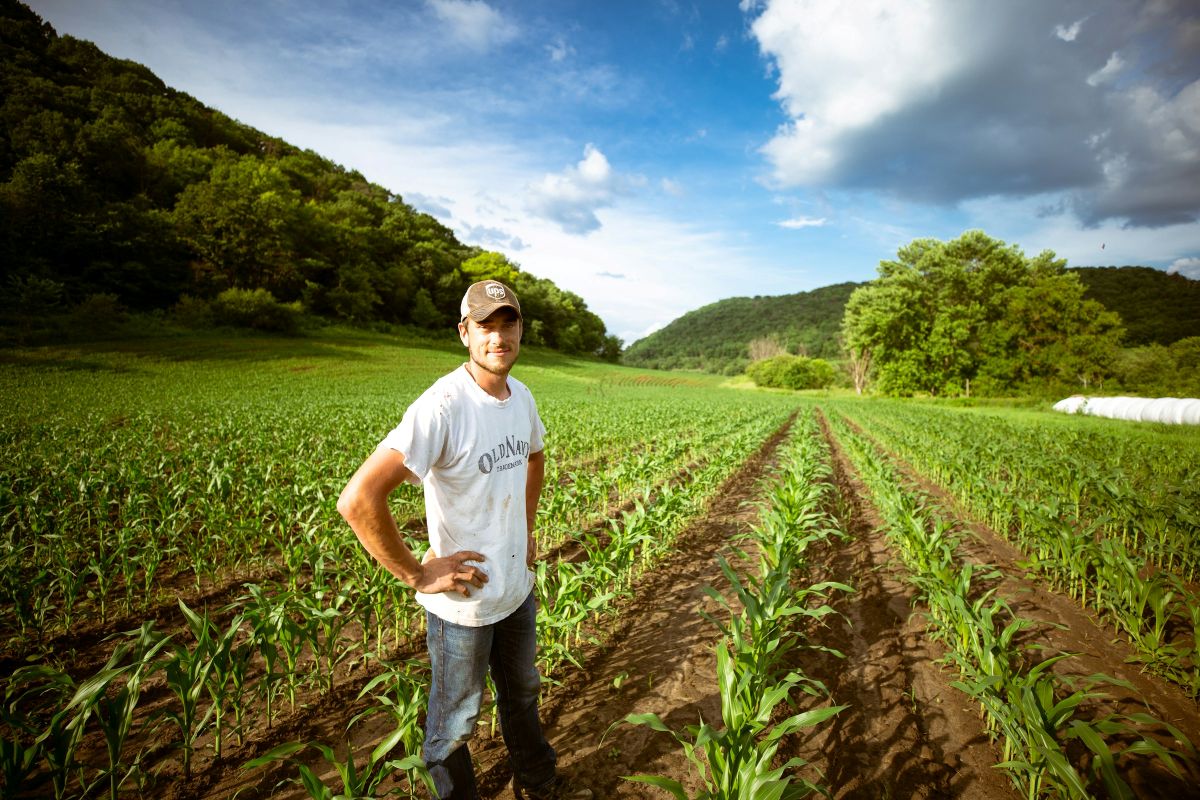
For most new farmers, an important first step is to spend a few seasons working on farms to learn and prepare for this career. This could be in the form of a job, internship, apprenticeship or volunteer:
Please mention you saw this at FoodWork.ca.
Note: The above is provided on an "As Is" basis and for general informational purposes only. People and Planet (also known as "FoodWork") is not responsible for the content, accuracy, timeliness, completeness, legality, reliability, quality or suitability of this posting. We do not screen or endorse the organizations or individuals involved. If you decide to accept an offer of employment, volunteering or any other arrangement, you do so at your own risk and it is your responsibility to take all protective measures to guard against injury, abuse, non-payment or any other loss. Please read our full Terms & Conditions.
Current status: Open/apply now. Date posted: Aug 19 2026 ID: 76569 #LI-DNI